


Your region:: Moscow


E-mail:
mail@facirus.ru
mail@facirus.ru


 Automatic pellet boilers
 Automatic wood chip boilers
 Two-pass gas boilers
 Three-pass gas boilers
 Automatic coal boilers
 Manual solid fuel boilers(coal/firewood/briquettes)
 Semi-automatic boilers(coal/firewood/briquettes)
 Outdoor hoppers and fuel stores
 Solid fuel block-modular boiler houses
 Block-modular boiler houses for liquid and gaseous fuels
 Hot air generators
 Pellet stoves

Semi-automatic heating boilers
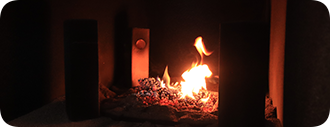 Automatic ignition when the heat carrier cools down
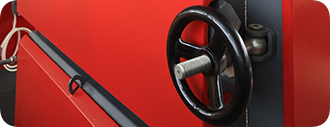 Heat-resistant doors retain heat longer
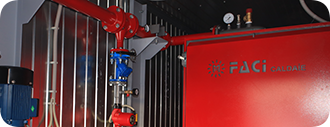 Maximum heat transfer, high efficiency


FACI SAF 26 semi-automatic boiler
- Output: 26 kW
- Fuel type: firewood, coal, fuel briquettes
- Boiler dimensions LxWxH, mm: 880x670x1320
- Flue diameter: 159 mm
- Weight: 215 kg
Configuration:
The package includes:
No additional options

FACI SAF 32 semi-automatic boiler
- Output: 32 kW
- Fuel type: firewood, coal, fuel briquettes
- Boiler dimensions LxWxH, mm: 880x670x1320
- Flue diameter: 159 mm
- Weight: 230 kg
Configuration:
The package includes:
No additional options

FACI SAF 42 semi-automatic boiler
- Output: 42 kW
- Fuel type: firewood, coal, fuel briquettes
- Boiler dimensions LxWxH, mm: 1170x810x1510
- Flue diameter: 200 mm
- Weight: 420 kg
Configuration:
The package includes:
No additional options

FACI SAF 52 semi-automatic boiler
- Output: 52 kW
- Fuel type: firewood, coal, fuel briquettes
- Boiler dimensions LxWxH, mm: 1170x810x1510
- Flue diameter: 200 mm
- Weight: 480 kg
Configuration:
The package includes:
No additional options

FACI SAF 78 semi-automatic boiler
- Output: 78 kW
- Fuel type: firewood, coal, fuel briquettes
- Boiler dimensions LxWxH, mm: 1330x810x1510
- Flue diameter: 200 mm
- Weight: 520 kg
Configuration:
The package includes:
No additional options

FACI SAF 105 semi-automatic boiler
- Output: 105 kW
- Fuel type: firewood, coal, fuel briquettes
- Boiler dimensions LxWxH, mm: 1600x920x2120
- Flue diameter: 250 mm
- Weight: 750 kg
Configuration:
The package includes:
No additional options
Available on lease(see terms)
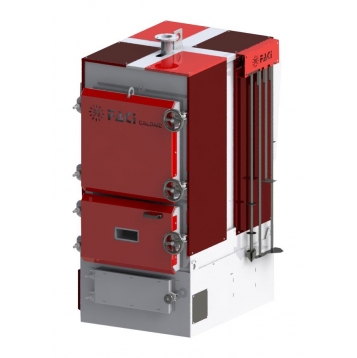
FACI SAF 130 semi-automatic boiler
- Output: 130 kW
- Fuel type: firewood, coal, fuel briquettes
- Boiler dimensions LxWxH, mm: 1600x920x2120
- Flue diameter: 250 mm
- Weight: 830 kg
Configuration:
The package includes:
No additional options
Available on lease(see terms)

FACI SAF 215 semi-automatic boiler
- Output: 215 kW
- Fuel type: firewood, coal, fuel briquettes
- Boiler dimensions LxWxH, mm: 2000x920x2120
- Flue diameter: 250 mm
- Weight: 910 kg
Configuration:
The package includes:
No additional options
Available on lease(see terms)
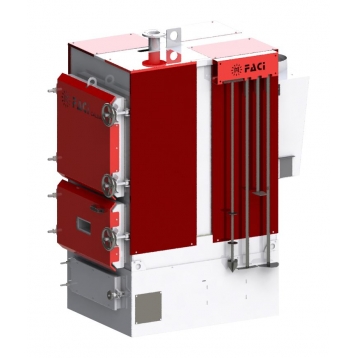
FACI SAF 258 semi-automatic boiler
- Output: 258 kW
- Fuel type: firewood, coal, fuel briquettes
- Boiler dimensions LxWxH, mm: 2000x920x2120
- Flue diameter: 250 mm
- Weight: 980 kg
Configuration:
The package includes:
No additional options
Available on lease(see terms)

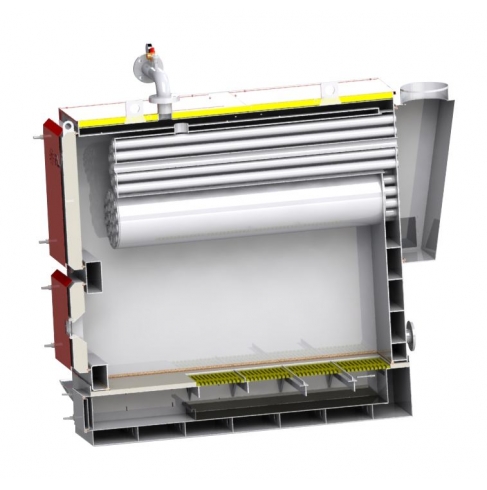
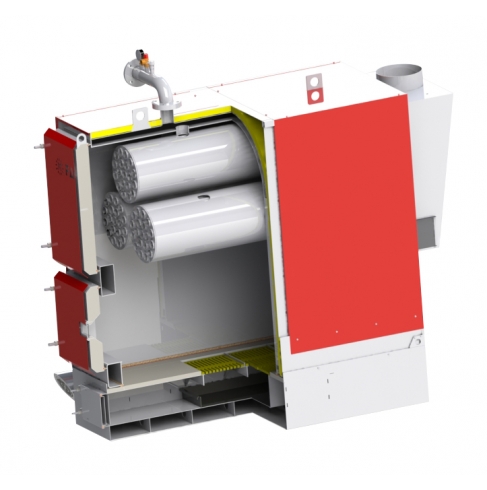
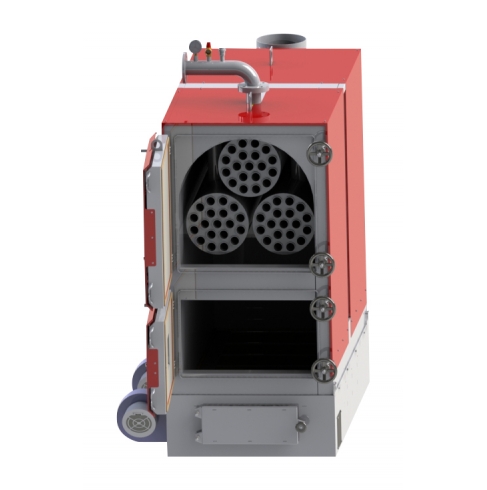
FACI SAF 386 semi-automatic boiler
- Output: 386 kW
- Fuel type: firewood, coal, fuel briquettes
- Boiler dimensions LxWxH, mm: 2600x1350x2430
- Flue diameter: 300 mm
- Weight: 2600 kg
Configuration:
The package includes:
No additional options
Available on lease(see terms)

FACI SAF 455 semi-automatic boiler
- Output: 455 kW
- Fuel type: firewood, coal, fuel briquettes
- Boiler dimensions LxWxH, mm: 2600x1350x2430
- Flue diameter: 300 mm
- Weight: 2750 kg
Configuration:
The package includes:
No additional options
Available on lease(see terms)

FACI SAF 645 semi-automatic boiler
- Output: 645 kW
- Fuel type: firewood, coal, fuel briquettes
- Boiler dimensions LxWxH, mm: 2700x1500x2800
- Flue diameter: 300 mm
- Weight: 3200 kg
Configuration:
The package includes:
No additional options
Available on lease(see terms)

FACI SAF 761 semi-automatic boiler
- Output: 761 kW
- Fuel type: firewood, coal, fuel briquettes
- Boiler dimensions LxWxH, mm: 2700x1500x2800
- Flue diameter: 300 mm
- Weight: 3400 kg
Configuration:
The package includes:
No additional options
Available on lease(see terms)
FACI SAF 1 MW semi-automatic boiler
- Output: 1000 kW
- Fuel type: firewood, coal, fuel briquettes
- Boiler dimensions LxWxH, mm: 3200x1900x3200
- Flue diameter: 360 mm
- Weight: 5000 kg
Configuration:
The package includes:
No additional options
Available on lease(see terms)
Semi-automatic heating boilers simplify heating a house or other premises. The equipment has a microprocessor controller that regulates auxiliary processes: the speed of the built-in fans, maintaining a set temperature in the heating system, switching pumps on and off, and more.
After solid fuel is loaded, the equipment switches to automatic mode. With firewood, autonomous operation can last up to eight hours; with coal, up to twelve hours.
How a semi-automatic combination boiler works
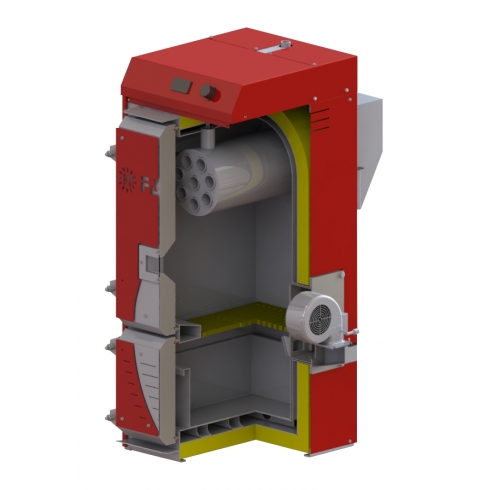
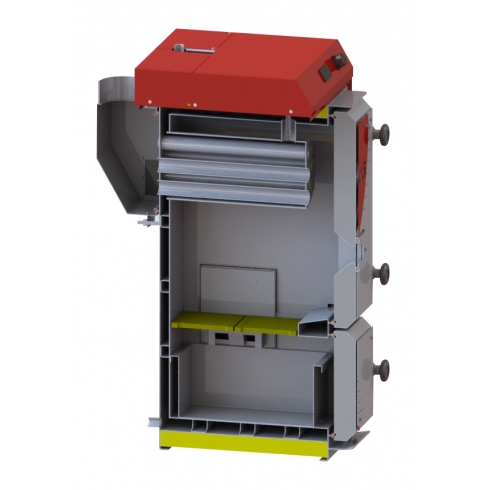
To start heating, firewood is loaded onto the grate and lit. Because there is not enough air in the combustion chamber, the wood chars and releases wood gas (pyrolysis). Part of the gas goes down under the grate, mixes with secondary air and enters the lower part of the fuel. The supply of air and gas keeps the pyrolysis process going. Semi-automatic solid fuel heating boilers based on pyrolysis are highly efficient and can run for a long time on a single load. Combustion produces very little ash, so the combustion chamber does not need constant cleaning. When choosing a heating system for a country house or cottage, consider the output of the equipment and the fuel used. We also recommend paying attention to the loading type: top or bottom loading.Automated fuel loading
To eliminate "manual mode", the combustion process must be automated; it depends on the supply of fuel and oxidant and on the correct operation of the safety system. The main factor of automatic mode is timely fuel feed. The simplest option is an auger feed, which requires buying and installing a special unit that delivers fuel to the combustion chamber. The auger connects the long-burning wood boiler to the storage hopper. Once fitted, the equipment can operate automatically for several days, depending on the hopper volume. Automatic feed helps automate the process, reduces maintenance time and ensures economical fuel use. If no additional equipment is planned and there are few monitoring options, we recommend considering semi-automatic wood-fired heating boilers.What operating modes are available
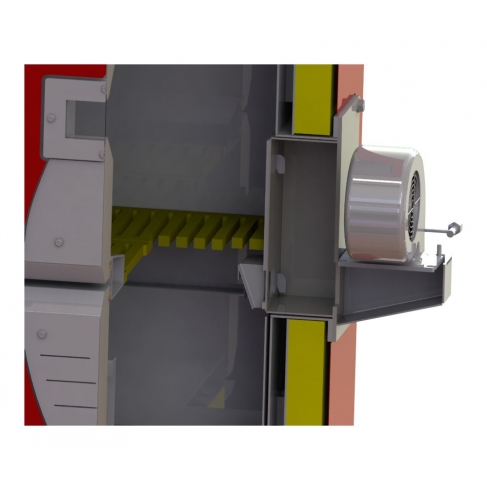
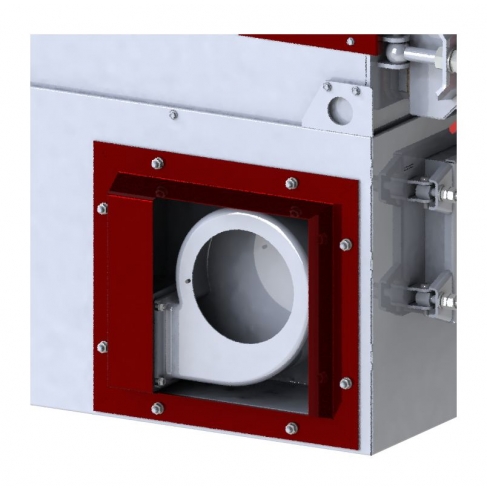
Complete combustion may require different amounts of air. For example, firewood needs less air than coal. If the same air supply mode is used for the combustion chamber, some fuels will burn too quickly and others will not burn out. Another function of the control unit is to switch off the blower fan in time when the set heating system temperature is exceeded. This saves electricity and prevents overconsumption. When the fan stops, air stops entering the combustion chamber and the fuel goes from active burning to smouldering. When the heating system reaches the minimum temperature (5 degrees), the fan switches on automatically and combustion restarts. Switching the fan on and off helps maintain the required heating system temperature. Temperature sensors, fans and a control unit make the multi-fuel heating boiler efficient and ensure long operation on a single load.Advantages
The advantages of semi-automatic models include:- Output control. The process is simple, convenient and smooth: just turn a knob that sets the intensity of the air supply. Operating the boiler is as easy as using a gas cooker. No commissioning is required before the first start. Note that running the unit at full output heats the room as quickly as possible but uses more fuel.
- Automatic ignition. Much like auto-ignition systems, the boilers can start automatically when the heat carrier cools down.
- Fuel burns 99.9%. This is thanks to the original automation algorithms that achieve 85% efficiency.
- With coal, combustion lasts 50% longer;
- Servicing and maintenance take 3-4 times less time than with a conventional boiler;
- Convenient automatic ignition. The boiler can ignite automatically when it is not in operating mode. The burner fires when the heat carrier temperature deviates from the set limit. Residents of country houses used all year round really appreciate this feature.
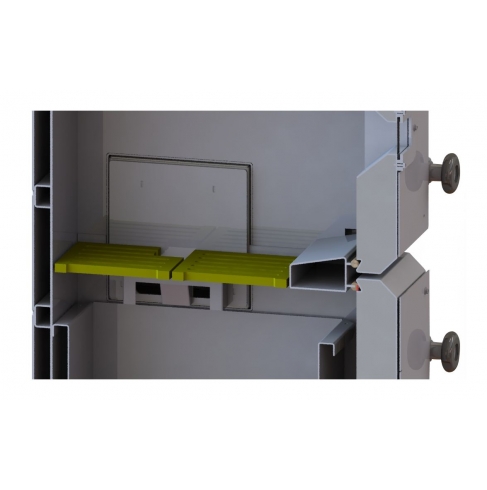
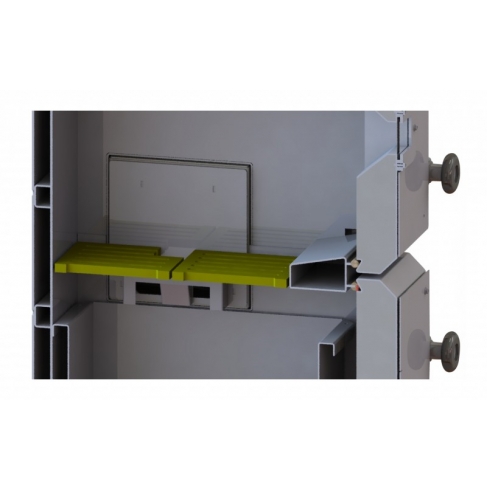
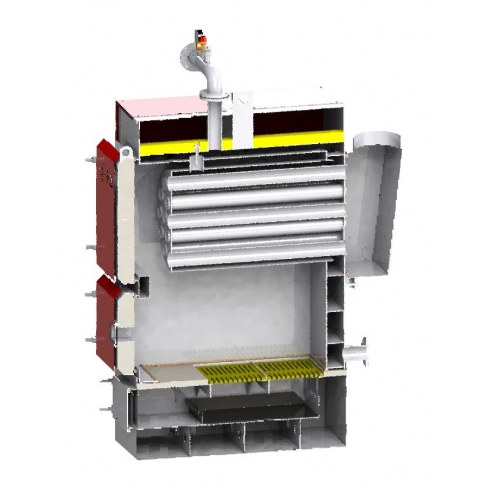
- Long burning and removable grates. Air passes through the grate and sustains even, long-lasting combustion in the centre of the boiler, more precisely under the heat exchanger. Removable grates are used for good reason: since they are not part of the heat exchanger, they can be replaced quickly and, most importantly, without a specialist or significant cost.
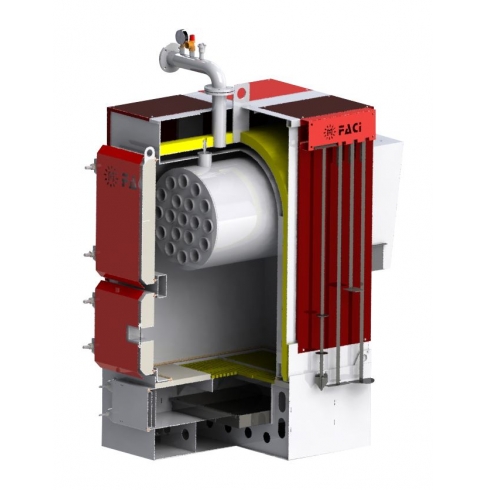
- Horizontal heat exchanger. This is a traditional solution for FACI boilers — a drum-type fire-tube design, the true signature of the unit.
- Special boiler configuration. It is designed so that flue gases pass repeatedly through the cylindrical heat exchanger made of high-quality stainless steel.
Thank you for your request!
Our managers will contact you shortly
Sign in
- Authorisation
- Registration
Enter a city name:
or choose from the list: